Blog

  • How to Avoid Crypto Scams and Protect Your Investments

    How to Avoid Crypto Scams and Protect Your Investments

    Cryptocurrency has transformed the global financial landscape, giving millions of people access to decentralized digital assets. Cryptocurrencies like Bitcoin and Ethereum have attracted investors worldwide due to their potential for high returns and financial independence.

    However, the rapid growth of the crypto industry has also attracted scammers and cybercriminals. Every year, billions of dollars are lost to fraud, phishing schemes, fake investment platforms, and other malicious activities.

    For new investors especially, understanding how crypto scams work and how to avoid them is essential. In this comprehensive guide, we will explore the most common cryptocurrency scams and the best strategies to protect your digital assets.


    Why Cryptocurrency Scams Are So Common

    Cryptocurrencies operate on decentralized networks powered by Blockchain. While this technology provides transparency and security, it also comes with certain risks.

    Unlike traditional banking systems, cryptocurrency transactions are irreversible. Once funds are sent to another wallet address, recovering them is extremely difficult.

    Scammers take advantage of several factors:

    • Lack of regulation in some regions
    • Anonymity of wallet addresses
    • Limited knowledge among new investors
    • High excitement during market booms

    These conditions create an environment where fraud can thrive if investors are not careful.


    The Most Common Cryptocurrency Scams

    Understanding the most common scams is the first step toward avoiding them.

    1. Phishing Attacks

    Phishing is one of the most widespread crypto scams.

    In these attacks, scammers create fake websites or emails that mimic legitimate crypto exchanges such as Coinbase or Binance.

    Victims are tricked into entering their:

    • Login credentials
    • Private keys
    • Wallet recovery phrases

    Once scammers obtain this information, they can immediately transfer funds out of the account.

    How to avoid phishing:

    • Always check website URLs carefully
    • Bookmark official exchange websites
    • Never click suspicious links from emails or social media

    2. Fake Investment Platforms

    Another common scam involves fake cryptocurrency investment websites.

    These platforms promise guaranteed profits or extremely high returns, often claiming that expert traders or automated systems will multiply your money.

    After depositing funds, investors may initially see fake profits on the platform dashboard. But when they try to withdraw funds, the platform either demands additional fees or disappears entirely.

    Warning signs include:

    • Unrealistic profit promises
    • Lack of company information
    • No regulatory oversight
    • Pressure to deposit funds quickly

    Legitimate investments never guarantee profits.


    3. Pump-and-Dump Schemes

    Pump-and-dump schemes are common in cryptocurrency markets, particularly with smaller tokens.

    In these schemes, a group artificially inflates the price of a cryptocurrency by promoting it heavily online. Once the price rises and new investors buy in, the organizers sell their holdings and the price collapses.

    Victims are left with tokens that rapidly lose value.

    These scams are often promoted on:

    • Telegram groups
    • Discord servers
    • Social media platforms

    Always research a cryptocurrency project thoroughly before investing.


    4. Impersonation Scams

    Some scammers impersonate well-known figures in the crypto industry, including entrepreneurs like Elon Musk.

    These scams usually appear on social media and claim that the celebrity is running a crypto giveaway.

    The scam typically asks users to send cryptocurrency first with the promise that they will receive double the amount back.

    In reality, the funds are simply stolen.

    Remember: legitimate giveaways never require you to send money first.


    5. Fake Crypto Wallet Apps

    Cybercriminals sometimes create fake cryptocurrency wallet applications that look similar to legitimate ones.

    Popular hardware wallets include devices such as the Ledger Nano X and the Trezor Model T.

    However, fake wallet apps may appear in unofficial app stores or suspicious websites. Once installed, these apps can steal private keys and transfer funds.

    To stay safe:

    • Download wallet software only from official websites
    • Verify developer information before installing apps
    • Avoid unknown or poorly reviewed wallets

    Essential Security Practices for Crypto Investors

    Beyond avoiding scams, strong security habits are essential for protecting cryptocurrency investments.

    Use Hardware Wallets

    Hardware wallets store your cryptocurrency offline, making them much harder for hackers to access.

    Cold storage is considered one of the safest ways to store digital assets long-term.


    Enable Two-Factor Authentication (2FA)

    Two-factor authentication adds an additional layer of protection to your accounts.

    Even if someone obtains your password, they still need the second authentication code to access your account.

    Many exchanges and wallets support 2FA through mobile authenticator apps.


    Protect Your Private Keys

    Your private keys give full control over your cryptocurrency.

    If someone gains access to them, they can transfer your funds instantly.

    Best practices include:

    • Never sharing private keys with anyone
    • Storing recovery phrases offline
    • Avoiding screenshots or cloud backups of sensitive data

    Use Reputable Exchanges

    Always trade or buy cryptocurrencies on reputable platforms.

    Major exchanges invest heavily in security and compliance.

    Before using any exchange, research:

    • User reviews
    • Security policies
    • Regulatory compliance

    Avoid platforms that appear newly created or poorly documented.


    How to Verify a Cryptocurrency Project

    Before investing in any cryptocurrency project, perform basic research.

    Key factors to examine include:

    The Team

    Look for transparent information about the project founders and developers.

    Legitimate teams usually have public profiles and experience in blockchain development.

    The Whitepaper

    A credible cryptocurrency project typically publishes a whitepaper explaining:

    • Its purpose
    • The technology behind it
    • The roadmap for development

    Projects without detailed documentation should raise red flags.

    Community and Development Activity

    Active developer communities and regular software updates indicate a serious project.

    You can often check development activity on platforms such as GitHub.


    Social Media Safety Tips

    Social media platforms have become one of the main channels used by crypto scammers.

    To protect yourself:

    • Avoid responding to unsolicited investment messages
    • Ignore direct messages promising guaranteed profits
    • Verify official accounts before following investment advice

    Always rely on trusted sources rather than anonymous online tips.


    What to Do If You Fall Victim to a Crypto Scam

    If you believe you have been scammed, act quickly.

    Steps to take immediately:

    1. Contact the exchange or platform involved
    2. Report the wallet address used by the scammer
    3. File a report with your local financial authorities
    4. Warn others in the crypto community

    While recovering stolen cryptocurrency is difficult, reporting scams can help authorities track criminal networks.


    The Future of Crypto Security

    As the cryptocurrency market matures, security practices and regulatory frameworks continue improving.

    Governments, blockchain companies, and cybersecurity firms are working together to develop tools that can identify fraudulent activity more quickly.

    Blockchain analytics companies are increasingly capable of tracking suspicious transactions across networks.

    While scams will likely continue to exist, the industry is gradually building stronger protections for investors.


    Cryptocurrency offers exciting financial opportunities, but it also requires responsibility and caution.

    By understanding common scams and following strong security practices, investors can significantly reduce their risk.

    The key principles for staying safe include:

    • Never trusting guaranteed profit promises
    • Verifying platforms and projects before investing
    • Protecting private keys and recovery phrases
    • Using reputable exchanges and secure wallets

    As digital assets continue growing in popularity, staying informed and vigilant will remain one of the most important strategies for protecting your cryptocurrency investments.

    With the right knowledge and precautions, investors can confidently participate in the evolving world of crypto while keeping their assets secure.

  • Bitcoin vs Ethereum: Which Cryptocurrency Is the Better Long-Term Investment?

    Bitcoin vs Ethereum: Which Cryptocurrency Is the Better Long-Term Investment?

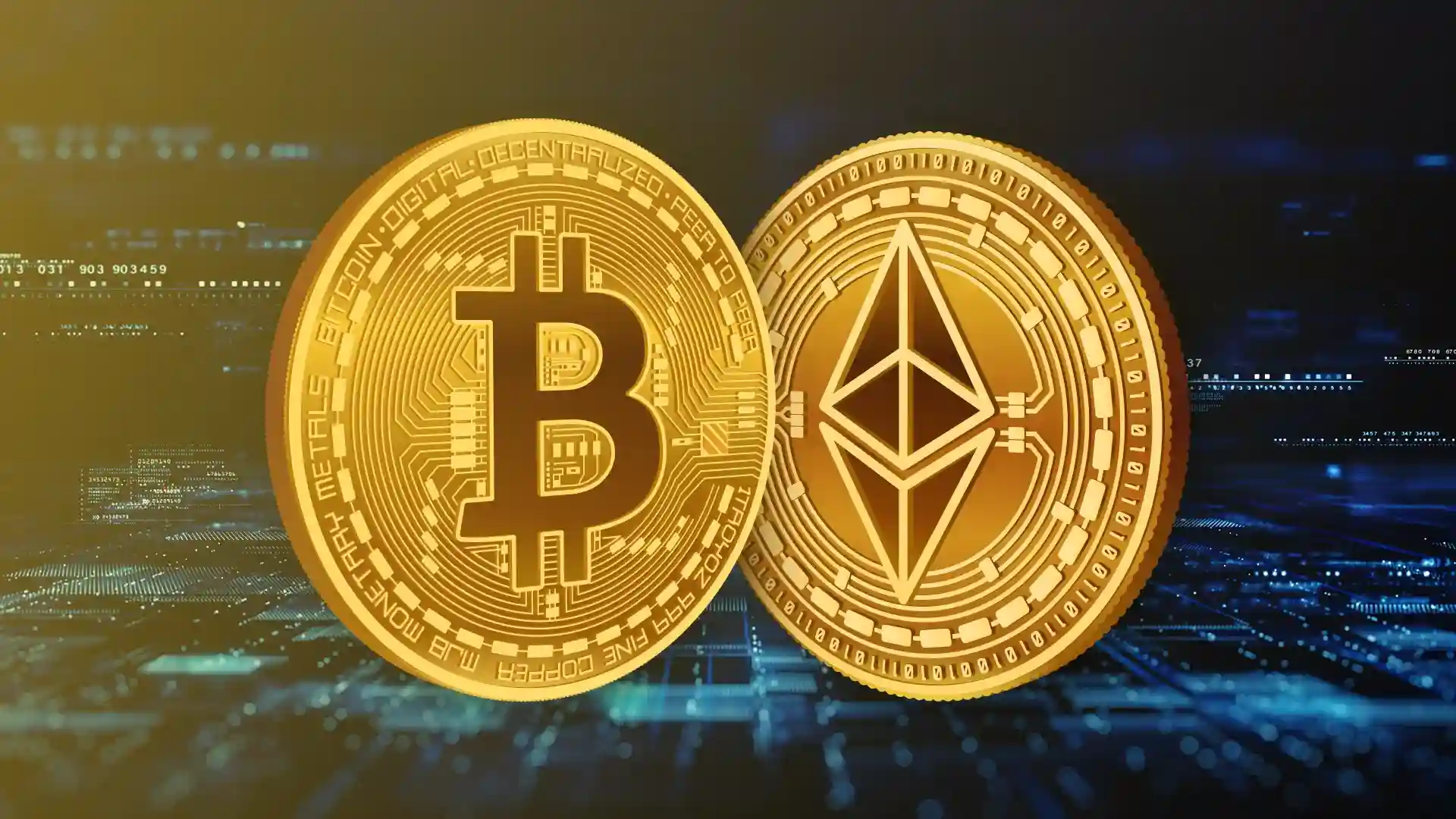
    Cryptocurrencies have become one of the most talked-about asset classes in modern finance. Among thousands of digital currencies available today, two dominate the market and investor interest: Bitcoin and Ethereum.

    Both projects have played a critical role in shaping the cryptocurrency ecosystem, but they serve different purposes and follow different technological visions. For investors looking toward the future, the big question remains: which cryptocurrency is the better long-term investment—Bitcoin or Ethereum?

    In this guide, we will explore their differences, strengths, risks, and long-term potential so that beginners and investors can make more informed decisions.


    Understanding Bitcoin

    Bitcoin is the first cryptocurrency ever created. It was launched in 2009 by the mysterious developer known as Satoshi Nakamoto.

    The core idea behind Bitcoin was to create a peer-to-peer digital currency that operates without banks or centralized authorities. Instead, transactions are verified by a decentralized network of computers using Blockchain.

    Key Characteristics of Bitcoin

    1. Limited supply
      Only 21 million bitcoins will ever exist, making it a scarce digital asset.
    2. Store of value
      Many investors consider Bitcoin “digital gold.”
    3. Strong security
      Its network is one of the most secure blockchain systems ever created.
    4. Decentralization
      No single entity controls Bitcoin.

    Because of these features, Bitcoin has become the largest cryptocurrency by market capitalization and is widely used as a hedge against inflation and currency devaluation.


    Understanding Ethereum

    Ethereum was introduced in 2015 by programmer Vitalik Buterin and several collaborators.

    Unlike Bitcoin, Ethereum was not designed only as digital money. Instead, it functions as a programmable blockchain platform that allows developers to build decentralized applications.

    Key Characteristics of Ethereum

    1. Smart contracts
      Ethereum introduced programmable agreements that automatically execute when conditions are met.
    2. Decentralized applications (dApps)
      Thousands of apps run on the Ethereum network.
    3. DeFi ecosystem
      Many decentralized finance platforms operate on Ethereum.
    4. NFT marketplaces
      Most non-fungible tokens are built on Ethereum.

    The network uses its native currency, Ether (ETH), to pay for transactions and computing power.


    The Key Differences Between Bitcoin and Ethereum

    Although both cryptocurrencies rely on blockchain technology, they have different goals.

    Purpose

    Bitcoin was designed primarily as digital money and a store of value.

    Ethereum functions as a global decentralized computing platform.

    Technology

    Bitcoin focuses on security and stability, while Ethereum prioritizes flexibility and programmability.

    Supply Model

    Bitcoin has a strict maximum supply of 21 million coins.

    Ethereum does not have a fixed supply cap, though recent upgrades have introduced mechanisms that can reduce supply over time.

    Network Upgrades

    Ethereum has evolved rapidly through upgrades such as the transition to proof-of-stake consensus. Bitcoin, in contrast, changes slowly to preserve stability.


    Market Adoption and Institutional Interest

    Institutional adoption plays a major role in the long-term value of cryptocurrencies.

    Bitcoin has attracted major institutional investors and corporations. Companies such as MicroStrategy have accumulated large amounts of Bitcoin as a treasury reserve asset.

    Major asset managers such as BlackRock have also launched investment products linked to Bitcoin.

    Ethereum, meanwhile, dominates in the blockchain application ecosystem. Many decentralized finance platforms, NFT marketplaces, and blockchain games run on the Ethereum network.

    This means Bitcoin often leads as an investment asset, while Ethereum leads as a technology platform.


    Use Cases: Digital Gold vs Programmable Blockchain

    Another major difference lies in how each network is used.

    Bitcoin Use Cases

    Bitcoin is primarily used for:

    • Long-term investment
    • Store of value
    • Cross-border payments
    • Inflation hedge

    Many investors treat Bitcoin similarly to precious metals such as Gold.

    Ethereum Use Cases

    Ethereum supports a much wider range of applications, including:

    • Smart contracts
    • Decentralized finance (DeFi)
    • NFT marketplaces
    • Blockchain gaming
    • Token creation

    This versatility gives Ethereum strong potential in the growing Web3 economy.


    Security and Network Strength

    Security is one of the most important factors when evaluating long-term investments.

    Bitcoin’s blockchain is considered the most secure in the cryptocurrency industry due to its massive mining network and conservative development philosophy.

    Ethereum is also highly secure but has undergone more technological changes. While innovation brings new possibilities, it can also introduce complexity.

    Both networks have proven resilient over many years of operation.


    Investment Potential: Bitcoin

    Bitcoin’s long-term investment case is built on three main factors.

    Scarcity

    The fixed supply of 21 million coins creates strong scarcity. As demand increases, this limited supply could push prices higher.

    Institutional adoption

    Large investors increasingly see Bitcoin as a legitimate asset class.

    Global recognition

    Bitcoin has become the most recognized cryptocurrency in the world, which strengthens investor confidence.

    Because of these factors, many analysts believe Bitcoin could remain the dominant digital store of value.


    Investment Potential: Ethereum

    Ethereum’s investment potential comes from its role as the foundation of many blockchain applications.

    Smart contract dominance

    Most decentralized applications are built on Ethereum.

    Expanding ecosystem

    The Ethereum network powers thousands of blockchain projects and tokens.

    Innovation

    Ethereum developers frequently introduce upgrades that improve scalability, energy efficiency, and transaction costs.

    If decentralized finance and Web3 continue growing, Ethereum could benefit significantly.


    Risks of Investing in Bitcoin and Ethereum

    Despite their potential, both cryptocurrencies carry risks.

    Volatility

    Cryptocurrency prices can rise or fall dramatically within short periods.

    Regulation

    Governments worldwide are still developing regulations for digital assets.

    Technology competition

    Other blockchain platforms may compete with Ethereum’s ecosystem.

    Market cycles

    Cryptocurrency markets tend to experience boom-and-bust cycles.

    Investors should always be prepared for price fluctuations and invest responsibly.


    Diversification Strategy: Why Many Investors Hold Both

    Rather than choosing only one cryptocurrency, many long-term investors hold both Bitcoin and Ethereum.

    The reason is simple: the two assets serve different roles.

    Bitcoin provides stability and scarcity, while Ethereum offers innovation and ecosystem growth.

    A diversified cryptocurrency portfolio often includes both assets to balance risk and opportunity.


    Long-Term Outlook for the Crypto Market

    As blockchain technology continues evolving, both Bitcoin and Ethereum are expected to remain central to the cryptocurrency ecosystem.

    Bitcoin will likely continue acting as the global digital reserve asset, similar to how gold functions in traditional finance.

    Ethereum may continue powering the decentralized internet, enabling applications that operate without centralized control.

    The future of cryptocurrency will likely depend on how governments regulate digital assets, how technology evolves, and how global adoption develops.


    Final Verdict: Which Is the Better Long-Term Investment?

    Choosing between Bitcoin and Ethereum ultimately depends on your investment goals.

    Bitcoin may be better suited for investors who want:

    • A digital store of value
    • Lower technological risk
    • Long-term scarcity

    Ethereum may appeal more to investors who believe in:

    • Blockchain innovation
    • Decentralized applications
    • Web3 growth

    However, the reality is that both cryptocurrencies play different roles in the market.

    For many investors, the best strategy is not choosing one over the other, but rather understanding how each fits into a long-term portfolio.


    Final Thoughts

    The debate between Bitcoin and Ethereum is likely to continue for years. Both projects have revolutionized the financial world and introduced entirely new ways of thinking about money, technology, and decentralized systems.

    Bitcoin remains the pioneer and dominant store of value, while Ethereum leads the development of decentralized applications and blockchain innovation.

    For beginners entering the cryptocurrency market in 2026, learning about both assets—and understanding their differences—is the first step toward making informed investment decisions in the rapidly evolving world of digital finance.

  • How to Invest in Bitcoin in 2026: A Beginner’s Complete Guide

    How to Invest in Bitcoin in 2026: A Beginner’s Complete Guide

    Over the past decade, Bitcoin has evolved from a niche digital experiment into one of the most recognized financial assets in the world. What began in 2009 as a decentralized currency created by Satoshi Nakamoto has grown into a trillion-dollar ecosystem that includes exchanges, investment funds, payment networks, and global adoption.

    As we move through 2026, interest in Bitcoin continues to grow among beginners who want exposure to digital assets but may not know where to start. This guide explains what Bitcoin is, why people invest in it, how to buy it safely, and strategies beginners can use to manage risk.

    Whether you’re new to cryptocurrency or simply curious about adding Bitcoin to your portfolio, this beginner’s guide will walk you through everything you need to know.


    What Is Bitcoin?

    Bitcoin is a decentralized digital currency that allows people to send and receive money over the internet without relying on banks or governments.

    Instead of being controlled by a central authority, Bitcoin operates on a public ledger called the blockchain, which records every transaction in a transparent and immutable way.

    The technology behind Bitcoin is known as Blockchain. It ensures that transactions are verified by a network of computers (called nodes) rather than by a centralized institution.

    Key characteristics of Bitcoin include:

    • Decentralization: No government or bank controls it.
    • Limited supply: Only 21 million Bitcoins will ever exist.
    • Transparency: Transactions are recorded on a public blockchain.
    • Security: Advanced cryptography protects the network.

    Because of these features, Bitcoin is often compared to digital gold and is widely used as a long-term store of value.


    Why People Invest in Bitcoin

    Investors choose Bitcoin for several reasons. While it can be volatile, many believe it has strong long-term potential.

    1. Scarcity

    Unlike traditional currencies that can be printed by central banks, Bitcoin has a fixed supply of 21 million coins. This scarcity is one reason many investors believe its value could increase over time.

    2. Inflation Hedge

    In periods of rising inflation, some investors see Bitcoin as protection against the devaluation of traditional currencies like the US Dollar.

    3. Institutional Adoption

    Large financial institutions and companies have increasingly adopted Bitcoin. Firms such as BlackRock and MicroStrategy have invested billions into Bitcoin, increasing its legitimacy.

    4. Global Accessibility

    Anyone with internet access can buy and hold Bitcoin, making it a truly global asset.


    Step 1: Choose a Reliable Cryptocurrency Exchange

    The easiest way for beginners to invest in Bitcoin is through a cryptocurrency exchange. These platforms allow users to buy, sell, and store digital assets.

    Some of the most popular exchanges include:

    • Coinbase
    • Binance
    • Kraken

    When choosing an exchange, consider the following factors:

    • Security measures
    • Transaction fees
    • Ease of use
    • Supported payment methods
    • Regulatory compliance

    Beginners often prefer exchanges with simple interfaces and strong security features.


    Step 2: Create and Verify Your Account

    Once you’ve selected an exchange, you’ll need to create an account. This usually involves:

    1. Registering with your email address.
    2. Creating a secure password.
    3. Completing identity verification (KYC).

    Most regulated exchanges require identity verification to comply with financial regulations and prevent fraud.

    Verification typically requires:

    • A government-issued ID
    • A selfie or face verification
    • Proof of address (sometimes)

    After verification, you can deposit funds and begin trading.


    Step 3: Deposit Funds

    To purchase Bitcoin, you must first deposit money into your exchange account.

    Common deposit methods include:

    • Bank transfers
    • Credit or debit cards
    • Payment services

    Bank transfers usually have lower fees, while credit card purchases are faster but more expensive.

    Always check the fees and processing times before making a deposit.


    Step 4: Buy Your First Bitcoin

    Once funds are available in your account, you can purchase Bitcoin.

    Most exchanges offer a simple “Buy Bitcoin” button where you can:

    1. Select Bitcoin
    2. Enter the amount you want to invest
    3. Confirm the transaction

    You don’t need to buy a whole Bitcoin. The currency is divisible into small units called satoshis, meaning you can invest as little as a few dollars.

    For example:

    • $10 can buy a fraction of Bitcoin
    • $100 buys a larger fraction
    • $1,000 increases your exposure further

    This accessibility makes Bitcoin appealing for beginners.


    Step 5: Store Your Bitcoin Safely

    After purchasing Bitcoin, it’s important to store it securely.

    Cryptocurrency is stored in digital wallets, which come in two main types:

    Hot Wallets

    Hot wallets are connected to the internet and include:

    • Exchange wallets
    • Mobile apps
    • Browser wallets

    They are convenient but more vulnerable to hacking.

    Cold Wallets

    Cold wallets store Bitcoin offline and provide better security.

    Popular hardware wallets include:

    • Ledger Nano X
    • Trezor Model T

    Many long-term investors move their Bitcoin from exchanges into cold storage for added security.


    Step 6: Understand Bitcoin Investment Strategies

    Successful Bitcoin investors usually follow a strategy rather than making emotional decisions.

    Here are three common approaches.

    Dollar-Cost Averaging (DCA)

    Dollar-cost averaging means investing a fixed amount regularly, regardless of the price.

    Example:

    • $100 every week
    • $200 every month

    This strategy helps reduce the impact of volatility and removes the need to time the market.

    Long-Term Holding (HODL)

    “HODL” is a popular term in the crypto community that means holding Bitcoin for the long term.

    Many investors believe Bitcoin’s value will continue to rise over the next decade as adoption increases.

    Trading

    Some investors actively trade Bitcoin to profit from price swings.

    However, trading requires:

    • Technical analysis
    • Market knowledge
    • Risk management

    For beginners, long-term investing is usually safer than active trading.


    Step 7: Manage Risk

    Bitcoin can be volatile. Prices sometimes move dramatically within short periods.

    To manage risk:

    1. Only invest what you can afford to lose
    Cryptocurrency markets can fluctuate significantly.

    2. Diversify your portfolio
    Consider spreading investments across stocks, ETFs, or other assets.

    3. Avoid emotional decisions
    Fear and greed often lead to poor investment choices.

    4. Use secure storage
    Protect your private keys and enable two-factor authentication.


    Common Mistakes Beginners Should Avoid

    Many new investors make similar mistakes when entering the crypto market.

    Buying During Hype

    When Bitcoin prices surge rapidly, new investors may buy at the peak due to media excitement.

    Instead, consider steady investment strategies.

    Ignoring Security

    Crypto theft usually happens because of poor security practices.

    Always:

    • Use strong passwords
    • Enable 2FA
    • Store backup recovery phrases offline

    Falling for Scams

    Fake investment platforms and phishing scams are common in the crypto world.

    Avoid offers promising guaranteed profits or unrealistic returns.


    Taxes and Regulations

    In many countries, Bitcoin investments are subject to taxes.

    For example:

    • Profits from selling Bitcoin may be taxed as capital gains.
    • Some jurisdictions require reporting crypto holdings.

    Regulations continue evolving worldwide as governments adapt to digital assets.

    Always check the tax laws in your country before investing.


    The Future of Bitcoin

    The future of Bitcoin continues to spark debate among economists, investors, and policymakers.

    Supporters believe Bitcoin will become:

    • A global store of value
    • A digital reserve asset
    • A foundation for decentralized finance

    Critics argue it faces challenges such as:

    • Regulatory pressure
    • Price volatility
    • Competition from other cryptocurrencies

    Despite these concerns, Bitcoin remains the largest and most influential cryptocurrency in the world.

    As blockchain adoption expands, Bitcoin will likely continue playing a major role in the evolving digital economy.


    Investing in Bitcoin in 2026 is easier than ever, thanks to accessible exchanges, secure wallets, and increasing global adoption.

    For beginners, the key steps are simple:

    1. Choose a reputable exchange
    2. Create and verify your account
    3. Deposit funds
    4. Buy Bitcoin
    5. Store it securely
    6. Follow a consistent investment strategy

    While Bitcoin offers exciting opportunities, it’s essential to approach it with education, caution, and a long-term perspective.

    By understanding how Bitcoin works and managing risk carefully, beginners can confidently enter the world of cryptocurrency investing and potentially benefit from one of the most transformative financial innovations of the 21st century.