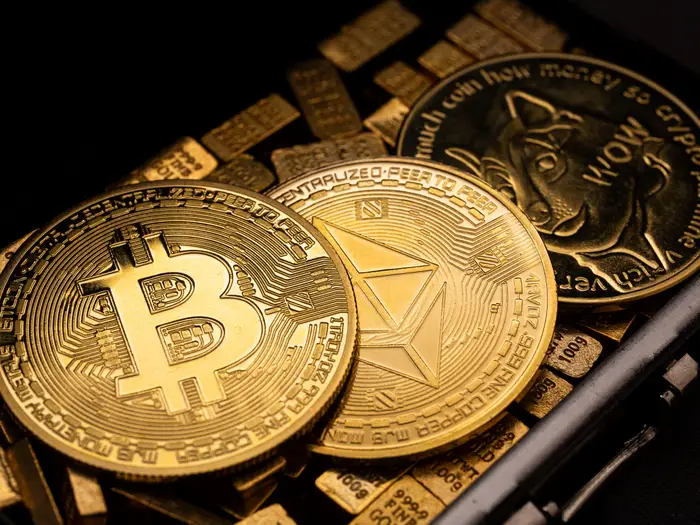
Over the past decade, Bitcoin has evolved from a niche digital experiment into one of the most recognized financial assets in the world. What began in 2009 as a decentralized currency created by Satoshi Nakamoto has grown into a trillion-dollar ecosystem that includes exchanges, investment funds, payment networks, and global adoption.
As we move through 2026, interest in Bitcoin continues to grow among beginners who want exposure to digital assets but may not know where to start. This guide explains what Bitcoin is, why people invest in it, how to buy it safely, and strategies beginners can use to manage risk.
Whether you’re new to cryptocurrency or simply curious about adding Bitcoin to your portfolio, this beginner’s guide will walk you through everything you need to know.
What Is Bitcoin?
Bitcoin is a decentralized digital currency that allows people to send and receive money over the internet without relying on banks or governments.
Instead of being controlled by a central authority, Bitcoin operates on a public ledger called the blockchain, which records every transaction in a transparent and immutable way.
The technology behind Bitcoin is known as Blockchain. It ensures that transactions are verified by a network of computers (called nodes) rather than by a centralized institution.
Key characteristics of Bitcoin include:
- Decentralization: No government or bank controls it.
- Limited supply: Only 21 million Bitcoins will ever exist.
- Transparency: Transactions are recorded on a public blockchain.
- Security: Advanced cryptography protects the network.
Because of these features, Bitcoin is often compared to digital gold and is widely used as a long-term store of value.
Why People Invest in Bitcoin
Investors choose Bitcoin for several reasons. While it can be volatile, many believe it has strong long-term potential.
1. Scarcity
Unlike traditional currencies that can be printed by central banks, Bitcoin has a fixed supply of 21 million coins. This scarcity is one reason many investors believe its value could increase over time.
2. Inflation Hedge
In periods of rising inflation, some investors see Bitcoin as protection against the devaluation of traditional currencies like the US Dollar.
3. Institutional Adoption
Large financial institutions and companies have increasingly adopted Bitcoin. Firms such as BlackRock and MicroStrategy have invested billions into Bitcoin, increasing its legitimacy.
4. Global Accessibility
Anyone with internet access can buy and hold Bitcoin, making it a truly global asset.
Step 1: Choose a Reliable Cryptocurrency Exchange
The easiest way for beginners to invest in Bitcoin is through a cryptocurrency exchange. These platforms allow users to buy, sell, and store digital assets.
Some of the most popular exchanges include:
- Coinbase
- Binance
- Kraken
When choosing an exchange, consider the following factors:
- Security measures
- Transaction fees
- Ease of use
- Supported payment methods
- Regulatory compliance
Beginners often prefer exchanges with simple interfaces and strong security features.
Step 2: Create and Verify Your Account
Once you’ve selected an exchange, you’ll need to create an account. This usually involves:
- Registering with your email address.
- Creating a secure password.
- Completing identity verification (KYC).
Most regulated exchanges require identity verification to comply with financial regulations and prevent fraud.
Verification typically requires:
- A government-issued ID
- A selfie or face verification
- Proof of address (sometimes)
After verification, you can deposit funds and begin trading.
Step 3: Deposit Funds
To purchase Bitcoin, you must first deposit money into your exchange account.
Common deposit methods include:
- Bank transfers
- Credit or debit cards
- Payment services
Bank transfers usually have lower fees, while credit card purchases are faster but more expensive.
Always check the fees and processing times before making a deposit.
Step 4: Buy Your First Bitcoin
Once funds are available in your account, you can purchase Bitcoin.
Most exchanges offer a simple “Buy Bitcoin” button where you can:
- Select Bitcoin
- Enter the amount you want to invest
- Confirm the transaction
You don’t need to buy a whole Bitcoin. The currency is divisible into small units called satoshis, meaning you can invest as little as a few dollars.
For example:
- $10 can buy a fraction of Bitcoin
- $100 buys a larger fraction
- $1,000 increases your exposure further
This accessibility makes Bitcoin appealing for beginners.
Step 5: Store Your Bitcoin Safely
After purchasing Bitcoin, it’s important to store it securely.
Cryptocurrency is stored in digital wallets, which come in two main types:
Hot Wallets
Hot wallets are connected to the internet and include:
- Exchange wallets
- Mobile apps
- Browser wallets
They are convenient but more vulnerable to hacking.
Cold Wallets
Cold wallets store Bitcoin offline and provide better security.
Popular hardware wallets include:
- Ledger Nano X
- Trezor Model T
Many long-term investors move their Bitcoin from exchanges into cold storage for added security.
Step 6: Understand Bitcoin Investment Strategies
Successful Bitcoin investors usually follow a strategy rather than making emotional decisions.
Here are three common approaches.
Dollar-Cost Averaging (DCA)
Dollar-cost averaging means investing a fixed amount regularly, regardless of the price.
Example:
- $100 every week
- $200 every month
This strategy helps reduce the impact of volatility and removes the need to time the market.
Long-Term Holding (HODL)
“HODL” is a popular term in the crypto community that means holding Bitcoin for the long term.
Many investors believe Bitcoin’s value will continue to rise over the next decade as adoption increases.
Trading
Some investors actively trade Bitcoin to profit from price swings.
However, trading requires:
- Technical analysis
- Market knowledge
- Risk management
For beginners, long-term investing is usually safer than active trading.
Step 7: Manage Risk
Bitcoin can be volatile. Prices sometimes move dramatically within short periods.
To manage risk:
1. Only invest what you can afford to lose
Cryptocurrency markets can fluctuate significantly.
2. Diversify your portfolio
Consider spreading investments across stocks, ETFs, or other assets.
3. Avoid emotional decisions
Fear and greed often lead to poor investment choices.
4. Use secure storage
Protect your private keys and enable two-factor authentication.
Common Mistakes Beginners Should Avoid
Many new investors make similar mistakes when entering the crypto market.
Buying During Hype
When Bitcoin prices surge rapidly, new investors may buy at the peak due to media excitement.
Instead, consider steady investment strategies.
Ignoring Security
Crypto theft usually happens because of poor security practices.
Always:
- Use strong passwords
- Enable 2FA
- Store backup recovery phrases offline
Falling for Scams
Fake investment platforms and phishing scams are common in the crypto world.
Avoid offers promising guaranteed profits or unrealistic returns.
Taxes and Regulations
In many countries, Bitcoin investments are subject to taxes.
For example:
- Profits from selling Bitcoin may be taxed as capital gains.
- Some jurisdictions require reporting crypto holdings.
Regulations continue evolving worldwide as governments adapt to digital assets.
Always check the tax laws in your country before investing.
The Future of Bitcoin
The future of Bitcoin continues to spark debate among economists, investors, and policymakers.
Supporters believe Bitcoin will become:
- A global store of value
- A digital reserve asset
- A foundation for decentralized finance
Critics argue it faces challenges such as:
- Regulatory pressure
- Price volatility
- Competition from other cryptocurrencies
Despite these concerns, Bitcoin remains the largest and most influential cryptocurrency in the world.
As blockchain adoption expands, Bitcoin will likely continue playing a major role in the evolving digital economy.
Investing in Bitcoin in 2026 is easier than ever, thanks to accessible exchanges, secure wallets, and increasing global adoption.
For beginners, the key steps are simple:
- Choose a reputable exchange
- Create and verify your account
- Deposit funds
- Buy Bitcoin
- Store it securely
- Follow a consistent investment strategy
While Bitcoin offers exciting opportunities, it’s essential to approach it with education, caution, and a long-term perspective.
By understanding how Bitcoin works and managing risk carefully, beginners can confidently enter the world of cryptocurrency investing and potentially benefit from one of the most transformative financial innovations of the 21st century.